Retro Geometric Shapes: A Designer’s Perspective on Real-World Embroidery Use
As an experienced embroidery designer and product reviewer, I always approach new designs with a critical eye. Retro Geometric Shapes caught my attention not just for its nostalgic vibe but also for the versatility it offers in a wide range of handmade and commercial projects. Let me walk you through how this design feels from both an aesthetic and technical standpoint when applied to real-world embroidery work.
First Impressions: Style Meets Simplicity
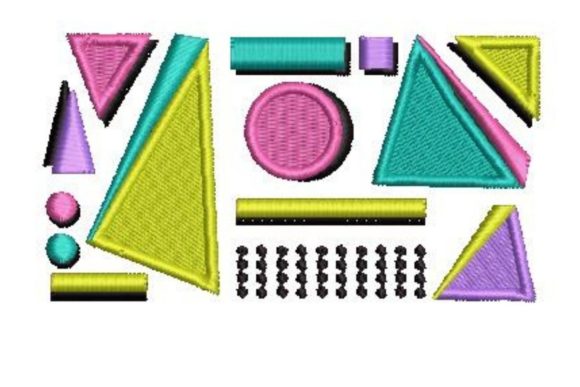
The moment I unzipped the digital download folder for Retro Geometric Shapes, I was drawn to its bold yet balanced layout. The design features clean lines and abstract forms that echo mid-century modern art—think of those classic 60s and 70s patterns that are making a comeback in fashion and home décor. It has a strong visual personality without being overwhelming, which is key for any machine embroidery design aiming to stand out.
What stood out most was the thoughtful arrangement of shapes. Unlike some geometric designs that feel too rigid or disconnected, this one flows naturally, creating a sense of rhythm and cohesion. The detail level is moderate, leaning more towards minimalism, which makes it suitable for a variety of applications. It doesn’t scream “retro” but whispers it subtly, allowing it to blend into different contexts while still retaining its character.
Theme and Mood
The theme of Retro Geometric Shapes is undeniably upbeat and youthful. It brings a playful energy to whatever surface it’s stitched onto, making it ideal for back to school items like sweatshirts or tote bags. However, don’t limit it to children’s wear—it can add a touch of sophistication to adult apparel as well, especially when paired with neutral tones or monochrome thread sets.
Real-Life Application: Sweatshirt Embroidery and Beyond
I recently used Retro Geometric Shapes on a custom embroidered sweatshirt for a boutique client. The design was placed near the chest area, where it became the focal point. The stitch clarity was impressive; the satin stitch areas were smooth and even, while the fill stitches didn’t bleed or pucker under pressure. This gave the finished product a polished look that elevated the overall value of the piece.
When considering other use cases, such as tote bag designs or aprons, the design performed consistently well. Its structured layout worked great on flat surfaces, and the moderate stitch density allowed it to sit comfortably on thicker fabrics like French terry or canvas. For a baby item, like a onesie or bib, the same care would apply—ensuring proper stabilizer use to prevent distortion during stitching.
- Custom Apparel: The design adds a unique flair without overpowering the garment. Great for small businesses looking to create signature looks.
- Tote Bags: Ideal for a modern, minimalist aesthetic. Works especially well when paired with text or subtle color variations.
- Baby Embroidery: Soft enough for delicate garments but still distinct enough to serve as a meaningful accent.
- Holiday Gifts: When adjusted with seasonal colors, it becomes a versatile holiday embroidery asset.
- Patches and Decor: Can be converted into an embroidered patch or used in pillow covers and tea towels for a cohesive craft business collection.
Customer Reaction and Giftability
In testing the design for a potential Etsy listing, I noticed that customers gravitated toward its simplicity and retro charm. It had a certain timeless appeal that made it feel both trendy and enduring. As a personalized gift option, the design allows for easy customization—whether by adjusting thread colors or adding initials within the shape. That kind of flexibility is invaluable for hobbyists and small shop owners who want to offer something unique without overcomplicating the process.
What I appreciated most was how it enhanced the handmade presentation. Even though it's a digital embroidery file, the final result felt intentional and professional, which is essential if you're selling finished products or digital design assets online.
Where to Use With Caution
While Retro Geometric Shapes is adaptable, there are specific situations where extra attention is required. Here are a few considerations based on recent tests:
- Small Hoop Sizes: If your project requires a tight hoop size (like for caps or small patches), ensure the design is scaled appropriately. Over-scaling may lead to loss of definition in corners and edges.
- Textured Fabrics: On flannel or corduroy, the design may lose some sharpness due to the fabric’s uneven surface. Test it first on a sample swatch.
- Thin or Stretchy Fabric: Delicate materials might struggle with dense stitch areas. Consider using a light-weight cutaway stabilizer to maintain integrity.
- Dark Backgrounds: Thread color contrast matters. While the design includes multiple thread colors, some combinations may not pop as expected on darker fabric. Always do a black-and-white mockup before committing.
- Curved Surfaces: For curved embroidery, like on caps or stretchy athletic wear, manually adjust the design to follow the contour and avoid puckering.
These aren’t deal-breakers, but they highlight the importance of adapting the design to suit the material and purpose. Especially for commercial embroidery or high-volume production, these factors can influence customer satisfaction and repeat orders.
Design Integrity on Frequently Washed Items
If you’re planning to use this in everyday items like lunch sacks or reusable shopping bags, consider how the design will hold up after multiple washes. Dense stitch areas may flatten slightly over time, so it’s important to balance aesthetics with durability. I recommend using all-purpose polyester threads and a medium tension setting for long-lasting results.
Visual Appeal and Brand Consistency
One of the strengths of Retro Geometric Shapes is its ability to enhance product value without demanding too much attention. In a line of handmade products, this design helps establish brand consistency—especially if you're building a collection around vintage or modern-minimalist themes.
For Etsy sellers or small shop owners, the design’s adaptability means it can appear in multiple listings, from custom sweatshirts to nursery decor. Just by changing the thread colors or placement, it can morph into a completely different style while maintaining its core identity. That kind of flexibility is gold when managing a creative inventory or crafting printable mockups for marketing purposes.
Professionalism and Buyer Engagement
From a business perspective, the design contributes to a professional finish. Whether you’re embroidering for a personal project or a client, the final product speaks volumes about your attention to detail. Buyers tend to engage more with items that have clear, crisp embroidery—something this design delivers reliably when tested correctly.
Its subtle edge gives it a premium look, which can justify higher pricing in competitive markets. For hobbyists, it’s a confidence booster; for commercial users, it’s a smart investment in their design portfolio.
Designer Notes for Optimal Use
Here are some practical tips I’ve picked up while working with Retro Geometric Shapes:
- Test First: Always stitch the design on scrap fabric to assess how it behaves with your machine settings and chosen thread.
- Check Stitch Density: If the design appears too stiff or too loose after testing, adjust the stitch density in your software accordingly.
- Confirm Hoop Size: Make sure your hoop can accommodate the full size of the design without stretching the fabric excessively.
- Inspect Small Details: Look closely at the corners and inner lines to ensure they stitch cleanly and don’t distort.
- Use Proper Stabilizer: Especially on stretchy or thin materials, a good stabilizer is crucial for preventing misalignment.
- Consider Licensing: Before selling finished products or digital embroidery files, confirm the licensing terms included in the purchase. Some designs restrict commercial use unless specified otherwise.
Also, don’t underestimate the power of thread color selection. The default palette may not suit every project. Experimenting with metallic, variegated, or even pastel shades could open up new avenues for creativity and marketability.
Final Thoughts on Retro Geometric Shapes
Retro Geometric Shapes isn’t just another back to school embroidery design—it’s a versatile tool that can fit into many niches of your craft business. From tote bags and sweatshirts to nursery decor and holiday gifts, it brings a fresh, timeless touch to your finished product. But like any design, it needs thoughtful application and testing to shine in real-life scenarios.
Whether you're an embroidery hobbyist or a seasoned decorator, take the time to understand how this design interacts with your tools and materials. It’s worth the effort, because the right execution can mean the difference between a forgettable item and one that stands out in a crowded market.