★★★★☆4.0(317 reviews)
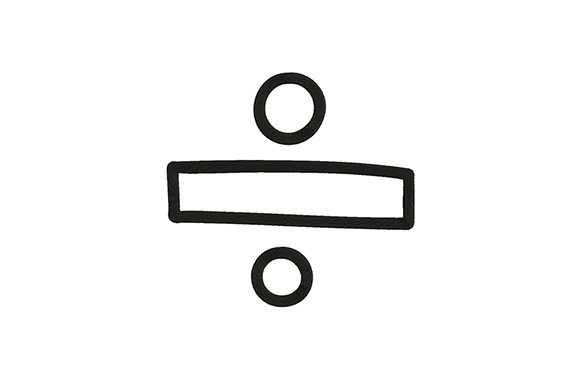
Divide Sign Symbol Embroidery Design Review
Real-World Performance: Projects That Shine With This Design
- Tote Bags: The design looks great on cotton canvas and denim. Its minimalism complements oversized logos or text-based designs often seen in handmade products.
- Sweatshirts: Stitched on a cotton/poly blend, it held up well through multiple washes. No distortion, even when placed near seams.
- Baby Items: For a personalized gift like a baby blanket or onesie, the symbol adds a playful touch while maintaining a soft, non-overwhelming appearance.
- Caps & Patches: On curved surfaces, the Divide Sign Symbol maintained shape integrity. As an embroidered patch, it was easy to transfer and sew onto jackets or backpacks.
- Aprons & Pillow Covers: These are common in craft fairs and boutique merchandise. The design added a clever, educational flair without being too niche.
- Kitchen Towels: Especially on linen blends, the Divide Sign Symbol stood out beautifully. It became a conversation piece at local markets.
Considerations for Different Fabrics and Uses
- Small Hoop Sizes: If you're working within tight constraints, such as cap embroidery or small patch designs, confirm the hoop size requirements. The design seems manageable but may need slight scaling down for very compact areas.
- Tiny Lettering: Though there isn’t lettering in this specific design, its structure mimics the style of mathematical symbols. This means if you plan to add text around it, ensure legibility by spacing appropriately.
- Dense Stitch Areas: The main body of the symbol uses satin stitches, so it’s important to review stitch density settings to avoid puckering, especially on stretchy or thin fabrics.
- Textured or Stretchy Fabrics: Always test the design on scrap fabric similar to your final product. While it handled medium-weight knits well, overly stretchy materials may require additional stabilizer for best results.
- Products That Need Frequent Washing: The Divide Sign Symbol is durable enough for everyday use. However, I recommend using all-purpose or tear-away stabilizers for optimal longevity, particularly for items like kitchen towels or baby blankets.
Practical Tips for Using Divide Sign Symbol Effectively
- Test on Scrap Fabric: Always do a trial run before moving to your final product. This helps identify potential issues with scale, thread tension, or fabric compatibility.
- Check Thread Color Contrast: Especially on dark or textured backgrounds, selecting thread colors that stand out will make the design more visible and impactful.
- Review Stitch Density: Adjust the density slightly based on your fabric type. Dense satin stitches work well on woven materials, while lighter settings suit knits better.
- Confirm Hoop Size: Make sure your hoop can accommodate the full design without forcing it into a smaller area than recommended.
- Compare Light and Dark Fabric Mockups: Use Creative Fabrica’s tools (if available) or create your own mockups to visualize how the design will appear on different substrates.
- Use Proper Stabilizer: Depending on the item, choose between tear-away, cut-away, or wash-away stabilizers to prevent distortion.
- Inspect Small Details After Stitching: Look closely after completion to ensure every line of the symbol is clean and symmetrical.
- Confirm File Details and Licensing: Before selling finished items, double-check the product page on Creative Fabrica for licensing terms and compatible file formats.
⬇️ Download Free
Free download · No sign-up required
🔗 You Might Also Like
Back To School
Project Ideas Using Divide Symbol Baby Blankets: Use Divide Symbol as part of a ...
Back To School
First Impressions of Lower Case Alphabet J As an experienced embroidery designer...
Back To School
As an experienced embroidery designer and product reviewer, I always approach a ...
Back To School
As an embroidery designer who’s stitched countless letters and logos into appare...
Back To School
First Impressions of the Letter W Embroidery File As an experienced embroidery d...
